

Barcodes lettertypen
downloads
Barcodes lettertypen gratis te downloaden. De expertise van Barcodis binnen handbereik.


CODE EAN13

EAN-BWRP72TT

CODE 3X

CODE 39 HRP48DHTT

CODE39 HRP36DLTT

CODE39 HRP24DLTT

CODE39 HRP24DHTT
Download uw barcode lettertype gratis
Uw bestand is direct te downloaden na validatie van het formulier en wordt per e-mail verzonden om het gemakkelijk terug te vinden.
"*" indicates required fields


Meer informatie over de EAN13
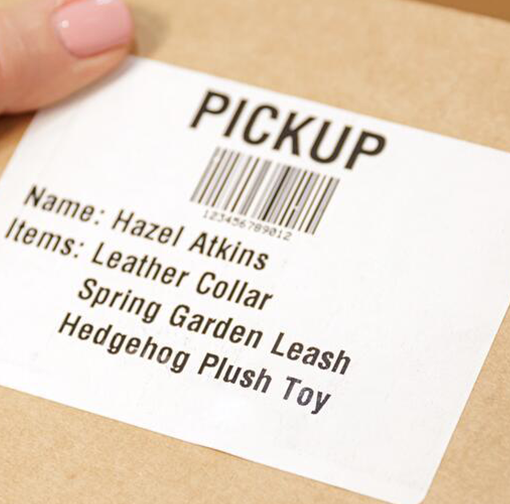
De EAN 13-code wordt gebruikt om dertien tekens te coderen:
- De eerste twee tekens identificeren het land van herkomst,
- de volgende tien tekens zijn de gegevenskarakters
- en het laatste teken is een controlecijfer.
Dit lettertype voor de EAN13-code is bruikbaar in alle software die compatibel is met het .ttf-formaat (True Type Font)
Het EAN13 barcode lettertype wordt geleverd als een shareware-licentie en niet als volledig gratis zoals het code 39 barcode lettertype. Er zijn geen gebruikskosten voor dit lettertype als u een particulier of een onderwijsinstelling bent, maar u wordt aangemoedigd door het Canadese bedrijf (Chaos Microsystems Inc.) dat het heeft gemaakt om een vergoeding van 10 $ US te betalen om de voortdurende ontwikkeling van nieuwe lettertypen te ondersteunen.
Echter, een inschrijvingsvergoeding van 10 $ US is verplicht voor commercieel gebruik.
Onze experts staan klaar om u te helpen
Van audit tot installatie, wij begeleiden u bij elke stap.
document.addEventListener(‘DOMContentLoaded’, function () {
const polices = [
‘CODE EAN13’,
‘EAN-BWRP72TT’,
‘CODE 3X’,
‘CODE 39 HRP48DHTT’,
‘CODE39 HRP36DLTT’,
‘CODE39 HRP24DLTT’,
‘CODE39 HRP24DHTT’
];
function normaliser(texte) {
return String(texte || ”)
.replace(/u00A0/g, ‘ ‘)
.replace(/s+/g, ‘ ‘)
.trim()
.toLowerCase();
}
function selectionnerPolice(police) {
const selects = document.querySelectorAll(‘select’);
for (const select of selects) {
const options = Array.from(select.options);
const option = options.find(function (opt) {
return normaliser(opt.textContent) === normaliser(police)
|| normaliser(opt.value) === normaliser(police);
});
if (option) {
select.value = option.value;
option.selected = true;
select.selectedIndex = option.index;
select.dispatchEvent(new Event(‘input’, { bubbles: true }));
select.dispatchEvent(new Event(‘change’, { bubbles: true }));
if (window.jQuery) {
window.jQuery(select)
.val(option.value)
.trigger(‘input’)
.trigger(‘change’)
.trigger(‘chosen:updated’)
.trigger(‘liszt:updated’);
}
console.log(‘Police sélectionnée : ‘ + police);
return true;
}
}
console.warn(‘Impossible de trouver le champ ou l’option : ‘ + police);
return false;
}
const boutons = Array.from(document.querySelectorAll(‘a[href=”#section3″]’))
.filter(function (lien) {
return normaliser(lien.textContent).includes(‘télécharger gratuitement’);
});
boutons.forEach(function (bouton, index) {
bouton.addEventListener(‘click’, function (e) {
e.preventDefault();
const police = polices[index];
const section = document.querySelector(‘#section3’);
if (!police) {
console.warn(‘Aucune police associée à ce bouton.’);
return;
}
if (section) {
section.scrollIntoView({
behavior: ‘smooth’,
block: ‘start’
});
}
let essais = 0;
const interval = setInterval(function () {
essais++;
const ok = selectionnerPolice(police);
if (ok || essais >= 20) {
clearInterval(interval);
}
}, 150);
});
});
});